Struggling with cluttered glue bottles, lost finishes, and cold temperatures ruining your adhesives? This compact, space-saving cabinet is the perfect solution for woodworkers looking to organize and protect their glues, stains, and finishes.
Designed with a clam-style fold-out system, this cabinet maximizes storage while keeping a small footprint in your shop. Plus, with a hidden front compartment for brushes, tape, and finishing tools, everything stays within reach.
And when cold weather hits? Simply unhook the cabinet from its French cleat and bring it inside, preventing your finishes and adhesives from freezing or going bad.
This project was inspired by Steve Ramsey’s design but modified to add more organization, portability, and protection.
ATTENTION: These plans are yours to use…they are offered as a gift from me to you. You have every right to use them to make this project for yourself, but please, do not sell or give these plans away as your own. I make absolutely no money off of these so I would appreciate those who view these plans to abide by basic copyright laws.
As an amazon associate I earn from qualifying purchases.
Step by step instructions
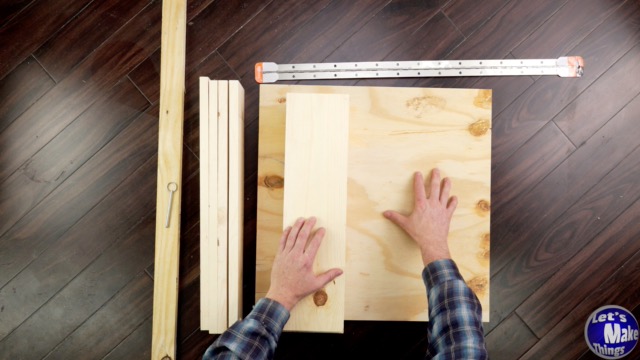
1.1. Materials
An overview of the materials required for this layer of the project.
Click image to see this step on youtube
1.2. Making boxes
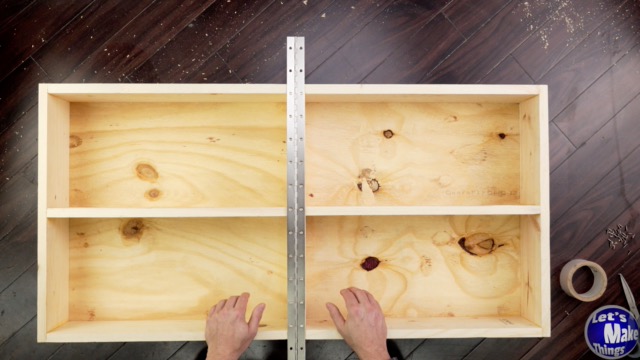
We’ll create two boxes with a center shelf using butt joints. To strengthen the joints, we’ll glue size the wood first for better adhesion.With the boxes complete, we’ll add plywood to the exterior for strength.
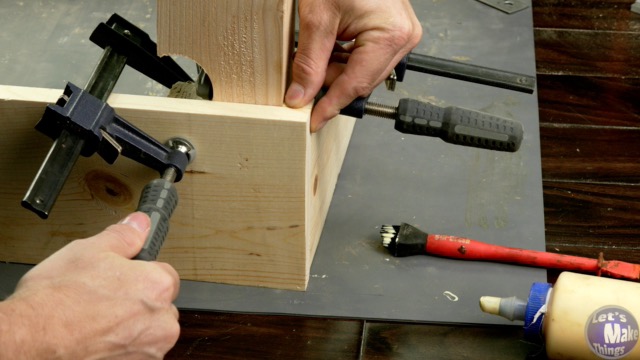
Apply a thin layer of diluted glue to the joint areas and let it dry slightly.
Assemble the boxes with glue and screws, keeping everything square.
Insert and secure the center shelf with glue and screws.
With the boxes complete, we’ll add plywood to the exterior for strength.
Cut plywood panels to fit.
Apply wood glue along the box edges.
Secure the panels with screws.
Click image to see this step on youtube
1.3. adding hinges
A piano hinge provides better weight support than separate hinges. We’ll secure it to connect the two boxes.
Align the boxes together.
Position the hinge across the top.
Drill pilot holes and attach with screws.
Click image to see this step on youtube
1.4. Weight ramp
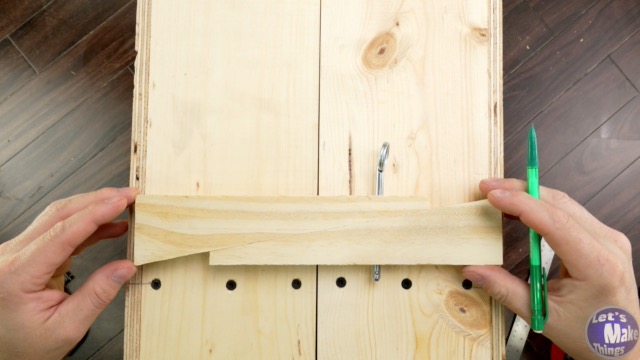
The weight ramp is a diagonally split board that reinforces the shelf by transferring weight to the wall-mounted section.
Cut a board diagonally to create two matching pieces.
Align the bottom piece with the wall-mounted shelf.
Attach both pieces to the shelf edges with screws.